
Choose Your Activity
Choose Where You Sleep
- Ban Lion Village
- Ban Talae Nok Village
- Koh Yao Noi Homestay
- Nakha Village
- Ta Pae Yoi Village
- Tung Dap Village
- Tung Nang Dam Village
Thailand Community Stay
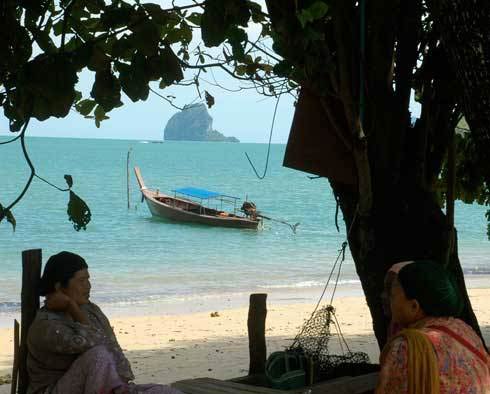
Choose where you sleep
- Ban Lion Village
- Ban Talae Nok Village
- Koh Yao Noi Homestay
- Nakha Village
- Ta Pae Yoi Village
- Tung Dap Village
- Tung Nang Dam Village
.jpg) Staying as a guest of a community can be a highly rewarding experience, adding real meaning to a holiday and creating opportunities for a genuine cultural exchange leaving all parties wiser and more enlightened to cultural differences.
Staying as a guest of a community can be a highly rewarding experience, adding real meaning to a holiday and creating opportunities for a genuine cultural exchange leaving all parties wiser and more enlightened to cultural differences.
Each village has a variety of activities; there is something for people of all ages and abilities. Activities fall into three main categories: cultural, ecotours, and handicrafts. Despite having an itinerary, the beauty of these trips is that many activities just happen naturally as you become part of village life.
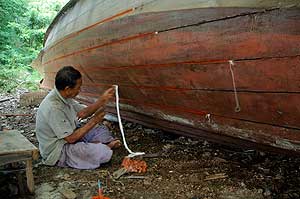
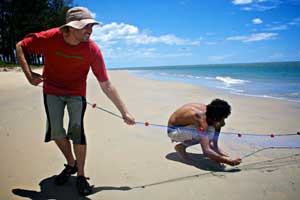
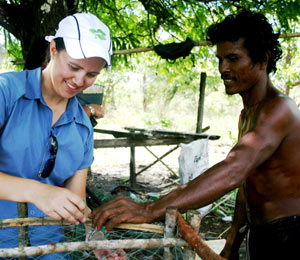
You may find yourself roasting cashew nuts, preparing lunch, doing community aerobics, helping your homestay family make fishing nets, or even playing football on the beach with the locals after a busy day. Sometimes the best experiences aren’t planned. Your translator is always on hand to help you communicate and ask questions.
One of the highlights of these programs is a short walk from most villages you will find endless stretches of undeveloped beach, the ideal place to watch the sun set over the tranquil Andaman Sea & Phang Nga Bay. Warm tropical waters and gentle waves make these beaches a great place to swim. In the evening, villagers come to the beach to play football and volleyball, and visitors are welcome to play with the locals. Relaxing and watching for the buffalo that come down to bathe can be equally rewarding.
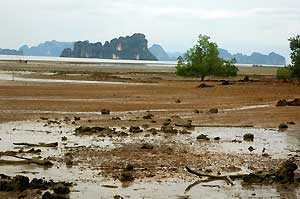
These programs provide local people with a complimentary source of income while still continuing their traditional way of life. By welcoming tourists into their village and seeing them interested in their traditional way of life, culture, and natural surroundings, communities better understand their value. Sustainable, community-led tourism is allowing them to preserve their way of life and conserve their natural resources, which are threatened by developers.
Staying with a host family allows you to take a privileged look into their lives and really connect with the villagers, and you will be made to feel like a member of the family. A translator will be with you during your village stay to allow you to really engage with the villagers on a mutual level.
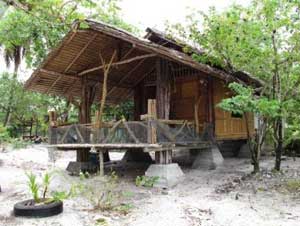
The homestays are simple and comfortable, and managed by the villagers on a rotation system to ensure that it is fair for all families. The houses are as different as the families who live in them, ranging from traditional wooden Thai style houses to tsunami housing.
Alternatively, for those of you who want the in-village experience, but are uncertain about staying with a host family, some villages have houses that are free for people to stay in by themselves. Also, there are a number of accommodation options available in the region to meet any budget, which we would be happy to arrange.
Notes
4 Days Koh Yao Noi
Day 1 [L, D]
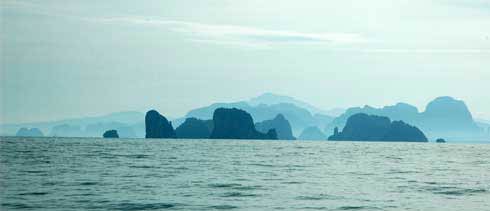
Pick up from your hotel or from the airport and transfer to Bangrong Pier. Boat the public boat to Koh Yao Noi, an island located in a stunning bay littered with towering karst limestone islets, famed for being the film location of the James Bond movie “Man with the Golden Gun”.
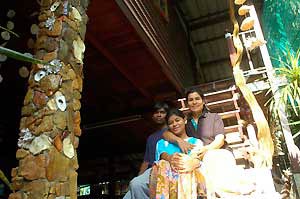 On arrival at the island, your guide will first bring you to the Community’s “CBT Club”, the meeting place for leaders of the Community Based Tourism initiative on the island. There will be short briefing about the community, its history and present life, and there will be a chance to discuss plans for your stay – what you would like to see and learn, what aspects of their community most interest you, etc. Thereafter drive to the home where you will be staying. Meet your hosts and enjoy a family lunch with them.
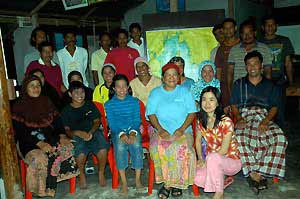 Afternoon take a tour of the island, during which you may visit:
• A fish trap maker
• The Women’s Centre and batik painting studio
• A coconut shell handicraft workshop
• A village of stilt houses in a mangrove forest
• Rice fields
• Sunset at the western pier
Return to your “home” for dinner and the night.
Day 2 [B, L, D]
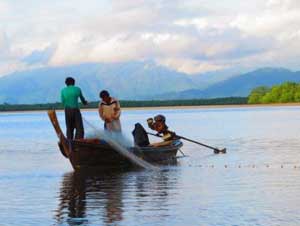
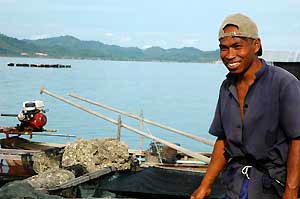 Rise at around 6.30 when the community begins to go about the daily routines of life. Breakfast will be served by your host family, before setting off to the jetty to join community fishermen on their boat for a morning of traditional fishing (net throwing). Stop for a picnic lunch on one of the thousands of islets in the bay. There will be some time for some rest and relaxation, snorkeling and swimming too.
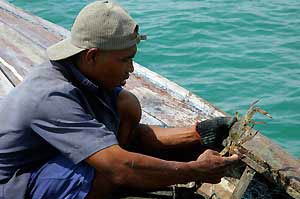 After lunch discover more about the fishermen’s techniques, for example bringing in the catch from crab nets set the previous evening.
Return to shore, visiting the fish market before returning home to your homestay. After freshening up, join your hostess in a cookery “class” to learn the techniques and recipes of some specialty local dishes as she prepares the evening meal for the you and the family. Overnight with your family.
Day 3 [B, L, D]
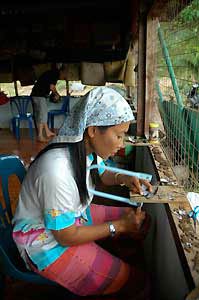 Arise 6.30. After breakfast with the family, set off for your chosen day’s activities which may include, for example:
• Batik painting and printing at the Women’s Centre workshop
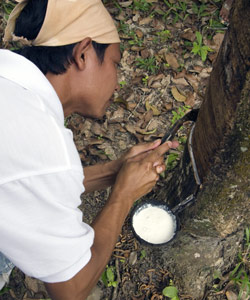
• Visiting a rubber plantation to learn how latex is tapped, collected and processed ready for sale to the traders
• Learn some of the skills used in creating useful or decorative items from coconut shells
Late morning, head for the jetty and board a local style boat for a trip out into Phang Nga Bay. Explore some of the islands, swim, snorkel and enjoy lunch on a remote beach somewhere.
Return to Koh Yao Noi, visiting a lobster farm en route. After refreshing at home, head to the CBT Club for a final collective farewell dinner with Community leaders (including your homestay hosts, of course). Overnight at your homestay.
Day 4 [B, -, -]
After breakfast with the family, bid your hosts farewell and return to the jetty to catch the public boat to Phuket or to Krabi (not included) and your onward journey.
ENDS
Notes
• The timings and schedules for the suggested activities will be dependent on tides.
• This is only a sample itinerary. You may choose which activities most interest you and adjust accordingly, so long as it does not cause disruption to the lives of eth community
• Koh Yao Noi is a Muslim community and the traditions and sensitivities of the people should be carefully respected. Please do not wear skimpy clothing or consume alcohol in public. There are some hotels and guest houses on the island and it is possible to buy and consume alcohol, but please constrain your drinking to within these establishments.
Notes
The cost shown above is per person for minimum 2 people. There may be additional costs during peak season periods (Christmas and New Year, Easter).What People Say
From: joanne smith <********@bigpond.net.au>
Subject: Re: Koh Yao Noi Community Homestay, Thailand
Date: 9 April 2010 13:25:36 GMT+07:00
To: Christopher Gow <chris@symbiosis-travel.com>
Hi Chris
Well we are back from our holiday in Thailand and I just wanted to thank you for organizing the raft house and community home stay. It was absolutely fabulous. In so far as organisation, it was spot on, we encountered no problems or delays and everyone was so friendly and happy, particularly Tom who was our guide while we were at the raft houses. His passion for the outdoors is addictive and we all learnt so much about the wildlife in the Thailand jungle. The food, where do I start - simply, it was amazing and plenty of it. The suggestion that we might like to stay at Kata Beach was a good one. It has the best of both worlds, quiet but enough shopping to keep anybody happy and what I would call low key bars and restaurants, lively but not over the top. Our favorite beach was Kata Noi as Kata Yai was a bit on the busy side. Kamala Beach was a great way to spend the last 3 days as it was just a sleepy relaxed place with a village feel to it although I wouldn't call it a village.
Once again thank you so very much for putting so time and effort into the organization of our holiday. It was just PERFECT !!!!!
Good luck with your Eco Tourism project. I hope all goes well.
Warmest regards
Jo & Phil Smith
4 Days Ban Talae Nok & Ta Pae Yoi Villages
Day 1: Kuraburi ~ Ban Talae Nok: Cultural Exchange [-, L, D]
The program will start in Kuraburi for a pre-trip briefing and cultural orientation. After that, transfer to Ban Talae Nok village to meet your host family, and be welcomed into their way of life. Take a walking tour around the community with your local guide to learn about the history and live of these villagers. See first-hand an area of the village that was destroyed by the 2004 tsunami and learn from survivors how they have recovered.
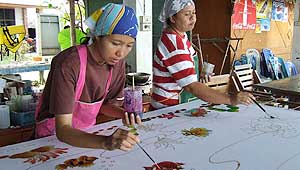
For lunch, enjoy authentic Southern Thai food with your host family. After lunch, join a Batik workshop. Batik is a technique of hand-dyeing fabrics by using designs drawn in was. You can create your own design or have the ladies draw one for you, then color in the beautiful designs, and keep your creation as a souvenir.
Go fishing on the beach with local fishermen and help the locals catch their dinner, it’s so much fun, and you’ll understand why fishermen are proud of their lifestyle. Relax on the beach and bask in the spectacular colors of an Andaman sunset.
For dinner, enjoy a barbeque dinner on the beach and feast on freshly-caught seafood, garden-fresh vegetables, and Thai curries (weather permitting, alternatively dinner with host family). Share stories and experiences with the family and local villagers, and then try on their traditional clothing. Spend the night in a simple but comfortable homestay.
Day 2: Ban Talae Nok ~ Village Life [B, L, D]
Have breakfast at your homestay. After breakfast try your hand to weave leaves of the Nypa palm with the villagers and help to make traditional roofing from a local mangrove plant. The roof tiles produced are a traditional occupation for the older generation of women in village.
Then, join the soap handicraft group, established after the tsunami, that make beautifully hand-crafted soap using only the finest natural ingredients. Watch an informative demonstration and then make soap for yourself with the expert guidance of the soap ladies and keep as a souvenir. Enjoy lunch at your homestay and after lunch meet your hosts to learn how to make a local specialty dessert – grilled coconut wrapped in a Nypa palm leaf, you can then enjoy the delicious snack hot of the fire.
After a full day of activities, spend your time before dinner relaxing on the beach or learn to cook local Thai food with your host family, and enjoy the results for a friendly meal. Overnight in a simple but comfortable homestay in Ban Talae Nok.
Day 3: Ban Talae Nok ~ Kuraburi ~ Ta Pae Yoi: Island Paradise [B, L, D]
Have an early breakfast with your host family before packing and saying goodbye to your new friends. Depart for Bang Ded Pier in Kuraburi. Transfer by boat to Ta Pae Yoi, enjoying the scenic mountains and mangroves along the way.
Check into your homestay accommodation, meet your new host family and be welcomed into their way of life. Take a walking tour around the community with your local guide to learn about the history and lives of these island villagers.
For lunch enjoy authentic Southern Thai food with your host family. Take a tour of the Koh Phra Thong Savannah with your local guide and translator and explore the uninhabited interior of the island. The golden fields and wetlands are a habitat for rare deer and giant storks, along with unusual ferns, orchids and insect-eating plants. Visit the long stretch of undeveloped beach for a swim, explore the tidal pools and learn about the different edible shells and crustaceans. Then with your guide collect local vegetables to create a garden to table meal.
Return to your homestay to use your harvest in a personalized Thai cooking class. Enjoy the delicious results of your labor for your evening meal. In the evening share stories and experiences with the family and local villagers with the help of your translator. Overnight in Ta Pae Yoi in a comfortable homestay; bedding and mosquito net is provided. Electricity powered by generator between 6pm and 10pm.
Day 4: Ta Pae Yoi: Natural Wonders ~ Kuraburi [B, L, -]
Awake early to participate in the traditional Buddhist alms giving. Monks from the local temple will pass by your homestay where you will have the opportunity to offer food and receive a blessing. Enjoy breakfast at your homestay.
Take a guided kayak tour of the mangrove conservation area and learn about this eco-system and its importance to the village. In the quiet of the trees you have a chance to see monkeys, monitor lizards and many species of birds. Depending on the tides paddle onwards to explore sandy beaches along the canals. Return to your homestay for another delicious homemade lunch and relaxation.
Pack up and say goodbye to your host family. Transfer by boat to the mainland and back in Kuraburi where your program will end.
Koh Phrathong Explorer
4 days/3 nights: Tung Dap and Ta Pae Yoi Village on Koh Phra Thong Island
Day 1 – Moken Life
Start the program in Kuraburi, meet with your guide for a pre-trip briefing and cultural orientation. Transfer, together with your bilingual Thai/English translator, to Tung La Ong Pier to meet your local hosts and then take a boat to the island of Koh Phra Thong and the remote village of Tung Dap. Along the way explore the mangrove forest in a long-tail boat, where you have the chance to spot playful otters and shy monkeys. Take a fascinating journey through the tidal canals and learn about this amazing eco-system which also acts as a nursery for crabs, fish and shrimp.
Arrive to your homestay accommodation and get to know your host and new friends. Have lunch and cultural exchange to discuss the traditional way of life, what it means to be Moken in a rapidly changing world, and their continued close connection to nature.
After lunch join an interactive workshop with your local guide and local fishermen, and learn how to make squid traps. Return to your homestay to make a traditional dessert, see how to use locally sourced ingredients and palms to make a delicious treat.
The late afternoon brings an opportunity to learn the Moken method of fishing from the beach, to catch your evening meal. Then relax and enjoy the spectacular Andaman sunset from this almost deserted beach. For dinner enjoy the freshest seafood, caught by the locals themselves, and Thai specialties for an unforgettable dinner experience.
In the evening learn how the art of weaving palm fronds into different animal shapes to make a beautiful natural souvenir. Overnight in Tung Dap village, in a simple but comfortable homestay; mosquito net is provided. Electricity powered by a generator between 6pm and 10pm.
Day 2 – Island Nature
Enjoy breakfast at the homestay. Pack up your bags and prepare for departure. Hop on the back of a homemade tractor for a ride into the Koh Phra Thong Savannah and onto your next homestay experience. Along the way learn about this natural wonder and how it is home to various bird species, deer and carnivorous plants. Ride through the grasslands and take in the scenic views of the mainland mountains off in the distance.
Arrive at Ta Pae Yoi village and be greeted by your local guide and host family. Take a walking tour of the community with your local guide to learn about the history and lives of these island villagers. For lunch enjoy authentic Southern Thai food with your host family.
After lunch take a guided kayak tour of the mangrove conservation area and learn about this eco-system and its importance to the village. In the quiet of the trees you have a chance to see monkeys, monitor lizards and many species of birds. Depending on the tides paddle onwards to explore sandy beaches along the canals.
Return to your homestay to join a personalized Thai cooking class. Enjoy the delicious results of your labor for your evening meal. In the evening share stories and experiences with the family and local villagers with the help of your translator. Overnight in a simple but comfortable homestay; a mosquito net is provided. Electricity powered by a generator between 6pm and 10pm.
Day 3 – Natural Wonders
Awake early to participate in the traditional Buddhist alms giving. Monks from the local temple will pass by your homestay where you will have the opportunity to offer food and receive a blessing. Enjoy breakfast at your homestay.
Take a tour of the Koh Phra Thong Savannah with your local guide and translator and explore the uninhabited interior of the island. The golden fields and wetlands are a habitat for rare deer and giant storks, along with unusual ferns, orchids and insect-eating plants. Visit the long stretch of undeveloped beach for a swim, explore the tidal pools and learn about the different edible shells and crustaceans. Then with your guide collect local vegetable to create a garden to table meal. Return to your homestay for another delicious homemade lunch and relaxation.
In the afternoon choose to go fishing from the pier to catch your next meal or learn to make a Thai snack with your host family. For dinner enjoy another home cooked meal and be surrounded by the beauty of nature. In the evening practice your Thai skills and exchange English speaking with your host family. Overnight stay in the homestay.
Day 4 – Village Life
Enjoy breakfast with your hosts. Take an early morning bike tour to see the various species of birds that inhabit the island and relax in the quiet of your surroundings or choose to head out for another kayak adventure. Then walk to the local school to possibly participate in an activity with the students, or take more time to walk around the village and converse with your new friends.
After a last lunch at the homestay, pack your bags and say goodbye to your homestay hosts and new friends. Transfer by boat back to the mainland, back to Kuraburi for a debriefing.
Ban Lion Village
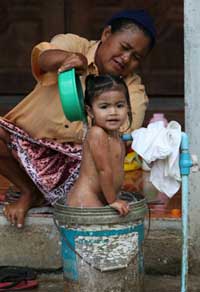
Ban Lion Village - WAY OF LIFE ON A REMOTE ISLAND
Located on Koh Phratong Island, the village is surrounded by unusual beauty and biodiversity, including 16 km of undeveloped beach lined by coconut orchards and mangrove forests. Ban Lion is a great place to relax, swim, hike and explore.
Villagers rely on fishing as their main source of income. This includes going out to sea, and gathering shells and crabs in the mangroves and seagrass beds. Some people also work for a nearby resort in high season.
HISTORY
Ban Lion was built in the aftermath of the 2004 tsunami, near the former site of Pak Chok village. Pak Chok was completely destroyed by the killer wave, and 75 people lost their lives.
TSUNAMI STORY
While many of the people from Pak Chok found housing on the mainland, Ban Lion has become a collective of people from a number of tsunami-affected communities, creating a fascinating amalgam of cultures. There are Thais, Thai-Chinese, Moken and Burmese people in the village that was built with support of Lions Club International.
THE STORY OF TIE-DYE PRODUCTS FROM BAN LION
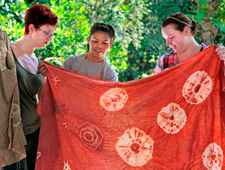
Muhd Yom Koh Phra Thong is a collective creating natural tie-dyed handicraft on Phra Thong Island. The group includes tsunami survivors who depend primarily on seasonal fishing for their livelihoods.
TIE DYE
These brave individuals started a handicraft group in 2010 in Lions Village, which was rebuilt after the lost of Bak Jok Village during the 2004 Tsunami. The members of Muhd Yom Koh Phra Thong are working to develop creative new designs and practical products using local knowledge.
ENVIRONMENT
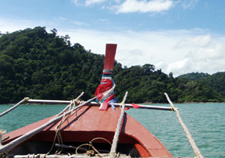
Ban Lion is located on Koh Prathong Island, a one hour boat ride from Kuraburi Pier in Phang Nga province. Surrounded with mangrove forest and golden grass fields, the village is immersed in natural beauty. Ban Lion covers 23-rai and is surrounded by mangrove and swamp forests. The biodiversity of the island is extraordinary and includes turtles, dugongs, dolphins, and 137 species of birds including the last significant population of Lesser Adjutant Stork in Thailand.
 |
 |
*The village itself is set up for homestays that can accommodate single travelers and groups, with many cultural and ecotourism activities available around the island.
Ban Talae Nok Village
Ban Talae Nok Village - A SEA-SIDE VILLAGE
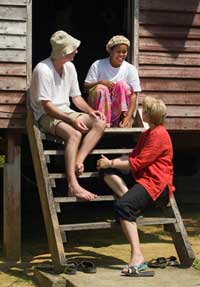 Ban Talae Nok is a pleasant village by a beautiful beach with a way of life that remains mostly unchanged. It is a great place to relax, swim, hike and explore. Walking through the village, you’ll notice women sitting together outside their houses shelling cashew nuts, weaving palm roofs, or making fishing nets while children play around them.
The men of the village earn their living from the sea, and you can see them collecting their catch from the nets at the small pier. Once they’ve taken what they need for their family, they’ll sell the rest at the market. Some families raise buffalo, cows, goats, chickens, and ducks in and around the village.
A group of tsunami widows established two handicraft cooperatives which provide supplementary income. Visitors to the village can join in a lively handmade soap or batik print workshop, a great chance to speak with the ladies about their lives and learn their moving tsunami experiences.
HISTORY
The village was founded over 100 years ago and predates other villages in the region. Originally, the pursuit of tin and its high value brought people to the site. Tin foraging was a profitable endeavor; by scouring the beaches, people could find up to five kilograms of tin a day, which was worth 120 baht per kilo.
Eventually the tin supply dried up and the villagers took to the sea. This income could be supplemented by making coal from the mangroves, and by baking wood in huge domed ovens. For environmental reasons, in recent years this practice has been banned as commercial activity but is still permitted for personal use.
Before the road into the village was built, access was by boat or a long trek through the jungle. Electricity came to the village in 1990, and the first westerners came to the village ten years later.
TSUNAMI STORY
Ban Talae Nok lost 46 villagers in the tsunami, 16 of whom were children. Before the tsunami, the village was divided into two: an upper and lower part. The lower village, located along the beach, provided easy access for the fishermen to go out to sea. The tsunami destroyed all 20 houses in the lower village. A new tsunami village was built up near the upper village.
ENVIRONMENT
Ban Talae Nok’s 10-kilometre stretch of stunning beachfront has a distinctive golden tint, endowed by the presence of tin. Part owned by the National Park, it is bounded by casuarina pine trees, mangrove forests, and small lagoons that provide habitat and breeding grounds for an array of sea life.
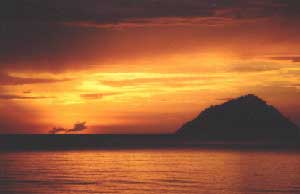
When the sun sets in a red glow many villagers gather on the beach with their lawa (shrimp nets) to catch the keruy (small shrimp), believing the arresting red hue signifies the arrival of shrimp.
The sea and islands dotted off the coastline from Ban Talae Nok are an important part of village identity. Each island has been named and is treasured for its unique features. These are:
- Bat Island (Koh Kang Kao) — with a big cave home to many bats.
- Japanese Island (Koh Yee Puun) — once inhabited by Japanese people pearl farming
- Kum Nui Island (Koh Kum Nui) — a smaller island with an abundance of shells.
- Kum Yai Island (Koh Kum Yai) — with spectacular white, sloping beach with clear blue waters, great for snorkeling.
- Lan Island (Koh Lan) — a barren, rocky island with a cave.
- Buffalo Island (Koh Kao Kwaay) — there is a subsidiary office of the National Park on this island. It is one of the most beautiful islands in the area. It has a curved beach and coral reef, and is a popular fishing site.
RELIGION IN BAN TALAE NOK
Ban Talae Nok is a traditional Muslim village. Islam shapes their daily lives and throughout the year there are several important ceremonies, presided over by the Imam (Muslim High Priest).
Some of these important cultural traditions are as follows:
- The beginning of Ramadan, when the villagers prepare for the Ramadan ceremony.
- Ramadan: lasting 30 days during which villagers must not eat or drink between sunrise and sunset.
- Eid-al-Fitr, big celebrations that mark the end of Ramadan.
- The Sunut cultural ceremony, which takes place when a boy is nine years old and a girl is fourteen years old.
- Nika (Marriage ceremony), both the man and woman consent to marriage.
- Funeral ceremony at the Koobo (graveyard).
- Lamaad (praying) where Muslim people pray five times a day.
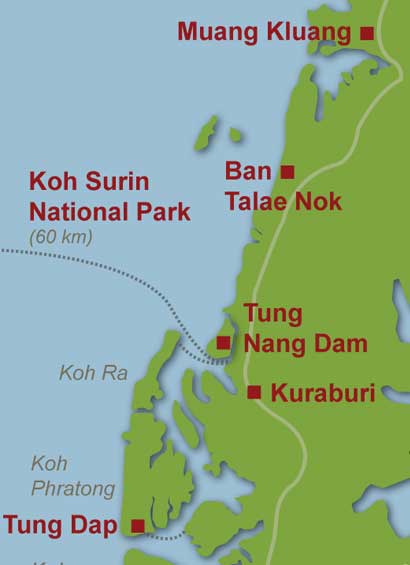
Koh Yao Noi Homestay
Koh Yao Noi is a tiny island in Phang Nga Bay, the sea that lies between Phuket and the Thai mainland, where the population is overwhelmingly Muslim fisherfolk who still living a largely traditional existence, and who are well aware of the dangers of mass tourism development in their villages.
Phang Nga offers the classic sea images of tropical islands, palm fringed beaches, coral reefs and teeming marine life. It is therefore, obviously, in the cross-hairs of the big tourism developers who, having already exploited Phuket to the full and much of the Krabi mainland too, are eagerly searching for new places to plant their big hotels and bar strips.
This local initiative is designed to help reinforce the independence of the people of Koh Yao Noi, helping to protect their mores and customs from unwanted interference, and allowing them to choose the kind of visitors that they want to welcome – those who will respect them and their way of life. If you are one of those people, this will be a rewarding addition to your visit to Thailand.
In October 2008, Guardian journalist, Andrew Spooner, paid a visit and this is what he had to say bout his visit: http://www.guardian.co.uk/travel/2008/nov/11/thailand-ethical-holidays-homestay
Nakha Village
Nakha Village - CONSERVATION IN A RIVERSIDE MOUNTAIN VILLAGE
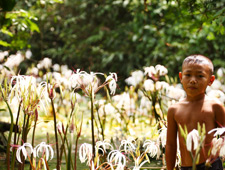
Nakha boasts stunning mountainous scenery, and is home to the highly endangered Water Lily, known locally as the “Yah Chong.” This fresh-water plant has unusually long leaves and delicate white flowers that bloom from October to December.
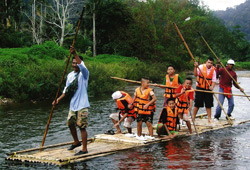
Unfortunately, the water lily faces serious threats from river dredging and collection for resale as aquarium plants. To help save the Water Lily, locals formed a conservation group to protect its habitat, and now offer rafting excursions to raise public awareness of this beautiful plant. Profits are used by the club to pay for school trips. The club also sponsors a nursery that is used by the youth group for replanting the water lilies.
Another highlight is the nearby Klong Nakha Wildlife Sanctuary, which takes its name from the area’s largest river and adjoins the larger Klong Saen protected area in Suratthani Province further to the east. Study groups and visits to the sanctuary’s nature trails can be organized.
HISTORY
Unlike many of the nearby locales, Tambon Nakha area has been settled only in the last thirty to forty years — by migrants from Nakorn Si Thammarat, Trang, and Krabi provinces. The area was deemed sympathetic to the communist movement in the 1970′s, and a number of student activists took refuge from government troops in the hills above Nakha.
The ecosystems around Nakha are home to rare orchids, hornbills, wild elephant; and a number of endemic species including the Water Lily, white palm, and fresh-water carp. In past, the natural resources of Nakha were often taken advantage of by corrupt business interests, leading to deforestation and poor water quality. Deforestation and poor water quality affected the human and natural communities.
Eventually, villagers from Ban Fai Tah and Ban Rai Nai banded together with national environmental activists to create Klong Nakha Wildlife Sanctuary — a 300,000 rai preserve that recognizes the access rights of local communities. Simultaneously, villagers formed agriculture and fishery associations to manage resources outside the sanctuary.
The Klong Nakha Ecotourism Club was formed to conserve the endangered Nakha water lily, which is found only in Klong Nakha and surrounding rivers. The Ecotourism Club is motivated more by a conservation ethic than income, and any profit is used to sponsor rafting trips for local school children. Groups of government officials are among the most common visitors, offering opportunities for policy influence. Local leaders also created a youth conservation group that is currently involved in water quality research, GPS mapping of Klong Nakha, garbage collection. The youth group also helps protect the Water Lily by gathering the lilies in the monsoon, propagating them in a nursery, and replanting in natural habitat.
JUNGLE RAFTING
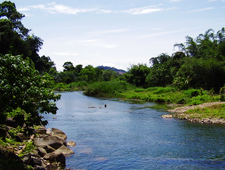
Typically, you would spend around four hours floating down the river on inflatable or bamboo rafts, whilst helping to protect the endangered water lily along the way depending on group size and water level. Includes a stop for a delicious local-style lunch, served in a banana leaf dish. The rafting route takes you through orchards of palm, rubber, and traditional crops such as coffee, mangosteen, and durian. During the trip, you can learn about the ways that locals are working to protect their environment from commercial plantation owners and illegal logging.
Wildlife Sanctuary Camping & Natrure Trails
Klong Nakha Wildlife Sanctuary is ranked as one of most biodiverse areas in Thailand. It is home to elephants, tigers, tapir, gibbons, and eight species of hornbill. Study group visits can be arranged. Attractions include a nature trail that starts at the park headquarters, located 17km north of Kampuan. Overnight camping is available beyond the nature trail, but requires permission from the rangers.
 |
 |
 |
Ta Pae Yoi Village
 Ta Pae Yoi Village – Koh Phratong - PLEASANT ATMOSPHERE IN ISLAND VILLAGE
The village of Ta Pae Yoi is one of three villages located on the island of Koh Phratong and the latest to develop a community based tourism group. The main livelihood of the villagers is fishing and locals rely on the nature surrounding the village to support their simple and relaxed way of life.
This village is located on the north eastern side of Koh Phratong and situated facing the mainland, sparing it from the most devastating destruction of the 2004 tsunami that impacted the other villages on this island. The village hosts a school, health center, local government office and also a temple. Ta Pae Yoi is easily accessible by daily passenger boat service.
HISTORY
Since the time of tin mining in the area, Chinese, Thai and Moken people have lived together in harmony. The name Ta Pae Yoi translates into “Uncle Yoi’s Pier.” The name is derived from folklore that says the village was founded by a Chinese man over 100 years ago.
ENVIRONMENT
Surrounded by lush mangroves and tropical savannah, this community plays host to a wide variety of eco-systems. The community is passionate about conserving their abundant natural resources and educates both locals and visitors alike on their importance. In the mangroves you can spot a variety of birds, monitor lizards and monkeys. The area immediately in front of the pier is a sea grass conservation area that supports sea cucumbers, and larger marine animals like dugongs. The savannah is a natural wonder that is home to wild deer and storks. With the support of the village Chief, the community members are hoping to use tourism as a way to protect and conserve the natural environment of the area.
 RELIGION - BUDDHIST TRADITIONS
The population is predominately Buddhist and a local temple offers a place for villagers to gather on special days and make merit. The Monks that reside at this temple make a morning alms collection where locals will offer food for their one daily meal. You can see the beautiful spirit houses that adorn the village and their offering for the spirits.
ACTIVITIES
The Ta Pae Yoi Community Based Tourism group was trained in kayaking and offer trips into the mangroves for bird watching and natural adventure. In the village participate in the morning Buddhist rituals, learn to create garden to table Thai meals and desserts all while relaxing in this peaceful and natural environment. Bike around the Koh Phratong Savannah, an environmental wonder, a desert in the midst of this tropical island. Seasonal activities can include fishing with the locals, or practicing English with children at the local school.
Tung Dap Village
Tung Dap Village - WAY OF LIFE ON A REMOTE ISLAND
 Tung Dap is surrounded by natural beauty. The village is located on Koh Phratong Island, bordered by the Andaman Sea and accessible only by boat. A one-lane road connects villager’s homes, with no automobile traffic or convenience stores. Transport comes in the form of one’s feet, a bicycle, or on a small tractor with trailer.
Small-scale fishing is the predominant form of income. The villagers sell fish, squid, and crab at a local pier. Other sources of income include fish farming and collection of forest products.
Coconuts are abundant and served as a fresh, juicy beverage; a snack; a delicious ingredient for a dessert; and income for the community. Don’t be surprised if you are offered a whole coconut, still on the machete used to retrieve it!
The sea is a short, one-kilometer walk from the village school. The soothing waves rolling gently onto the beach serve as a reminder of the Moken villagers’ history. Tung Dap is a great place to relax, swim, hike and explore.
LOCATION
Tung Dap is located on the southwestern tip of Koh Phratong Island in Kuraburi District, Phang Nga Province. Koh Phratong is part of Mu Koh Ra (Ko Phra Thong National Park). Visitors can expect a tropical climate. Keep your eyes open for wildlife, including deer, which are commonly seen exploring the island.
HISTORY
The village of Tung Dap is about 80 years old.
Koh Phratong, the island that is home to Tung Dap, translates to “Island of the Golden Buddha.” The name comes from the legend of a pirate who buried a looted statue somewhere on the island. In Moken folklore, it is known as the “floating island” and plays a central part in a tsunami story.
A long time ago, the Moken of Koh Phratong received a warning from the spirits that a tsunami was coming. The whole village fled to the nearby mountain, Po Tao, also known as Khao Phra Mee. Once at higher ground, the Moken villagers looked down as the wave covered the entire island. The island of Koh Kho Khao, just south of Koh Phratong, was not submerged. When Koh Phratong emerged from the tsunami’s inundation, the Moken returned and went on with life. That is why, in Moken language, Koh Phratong is called “Floating Island” and Koh Kho Khao is known as “anchor.”
 TSUNAMI STORY
Tung Dap was totally destroyed by the tsunami — the 22 Moken Thai households and 10 Buddhist Thai families lost all of their homes, possessions, and most of their boats and fishing supplies. For months, many of the residents of Tung Dap lived in temporary shelters near the mainland pier waiting for their houses to be rebuilt. The villagers remained steadfast in their determination to restore their lives and their village, and in a manner respectful of the natural environment.
CULTURE
Tung Dap is home to approximately 200 residents who are Thai and Moken. Homestay host Noi spent the first 24 years of her life as a sea gypsy, and offers a fascinating account of her time living on a “Kabang,” which is a boat that serves as a home and a means of transportation for Moken people. Visitors to Tung Dap will have the opportunity to learn firsthand about Moken culture and traditions.
Tung Nang Dam Village
Tung Nang Dam Village - WAY OF LIFE IN A VILLAGE SURROUNDED BY MANGROVES
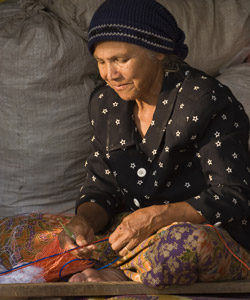 “Treasure in the soil, wealth in the water” is a traditional Thai saying particularly relevant to the people of Tung Nang Dam village. Many families earn a living from collecting fish, shrimp, crabs and shell fish using traditional subsistence methods.
Some families also own krachang floating fish farms where they can harvest fish, mussels, crabs and edible sea weed for personal use and to sell at the markets. To supplement their income, some families also tap for rubber and grow a wide variety of crops such as rambutan, durian, longan and cashew nuts. Cows and goats can be seen wondering freely through the village.
The only way to go to and from the village is by boat and then a picturesque walk through meandering cashew orchards and plantations. Solar electricity powers their simple yet comfortable homes. There are no cars on the island and the most common form of transportation is on foot and by bike. Tung Nang Dam is a great place to relax, hike and explore.
HISTORY
There is an ancient legend about the name of the village. Once upon a time, there was a man named Porta Ratsamee. His home was on the border of Kuraburi district and Surat Thani province. He was a very rich, good looking man and women fell in love with him easily. One of the women was called Nang Dam, Miss Black, because of her dark skin. Despite dark skin being considered unattractive, Porta fell in love with her. However, Porta still had many other women, one of whom was called Nang Kao. This deeply hurt Nang Dam and she felt so embarrassed that she ran away. She went to live far from her people in a field near Hin Lad until the day she died. The place became known as “Tung Nang Dam,” the field of the black woman.
TSUNAMI STORY
The healthy mangrove forest that surrounds Tung Nang Dam village protected the villagers from the devastating affects of the wave that destroyed neighboring villages. Fortunately, the beach-front area is undeveloped and houses are set back from the beach which meant no houses were destroyed. However, many fishermen lost their boats and livelihoods, with many floating fish farms being damaged beyond repair.
 RELIGION IN TUNG NANG DAM
The villagers are dedicated followers of the Islamic faith which resonates throughout their culture. Although, the majority of villagers are Muslims, there is a Chinese temple, a Wihansean. Some villagers say that settlers first came to the village because according to Chinese astrology the location had good Feng Shui.
Tung Nang Dam is a traditional Muslim village. Islam shapes their daily lives and throughout the year there are several important ceremonies, presided over by the Imam (Muslim High Priest). Some of these important cultural traditions are as follows:
- The beginning of Ramadan, when the villagers prepare for the Ramadan ceremony.
- Ramadan: lasting 30 days during which villagers must not eat or drink between sunrise and sunset.
- Eid-al-Fitr, big celebrations that mark the end of Ramadan.
- The Sunut cultural ceremony, which takes place when a boy is nine years old and a girl is fourteen years old.
- Nika (Marriage ceremony), both the man and woman consent to marriage.
- Funeral ceremony at the Koobo (graveyard).
- Lamaad (praying) where Muslim people pray five times a day.
AWARDS
In 2007, the Tung Nang Dam Community-based tourism group received the prestigious Most Outstanding Community-based Tourism award as part of the Thailand Tourism Award. The awards are designed to promote the conservation of the country’s precious natural and cultural resources and support sustainable tourism development in tandem with the quality development of the Thai tourism industry. The group was recognized for their efforts in challenging tourism revenue into their community, thereby alleviating rural poverty.

